
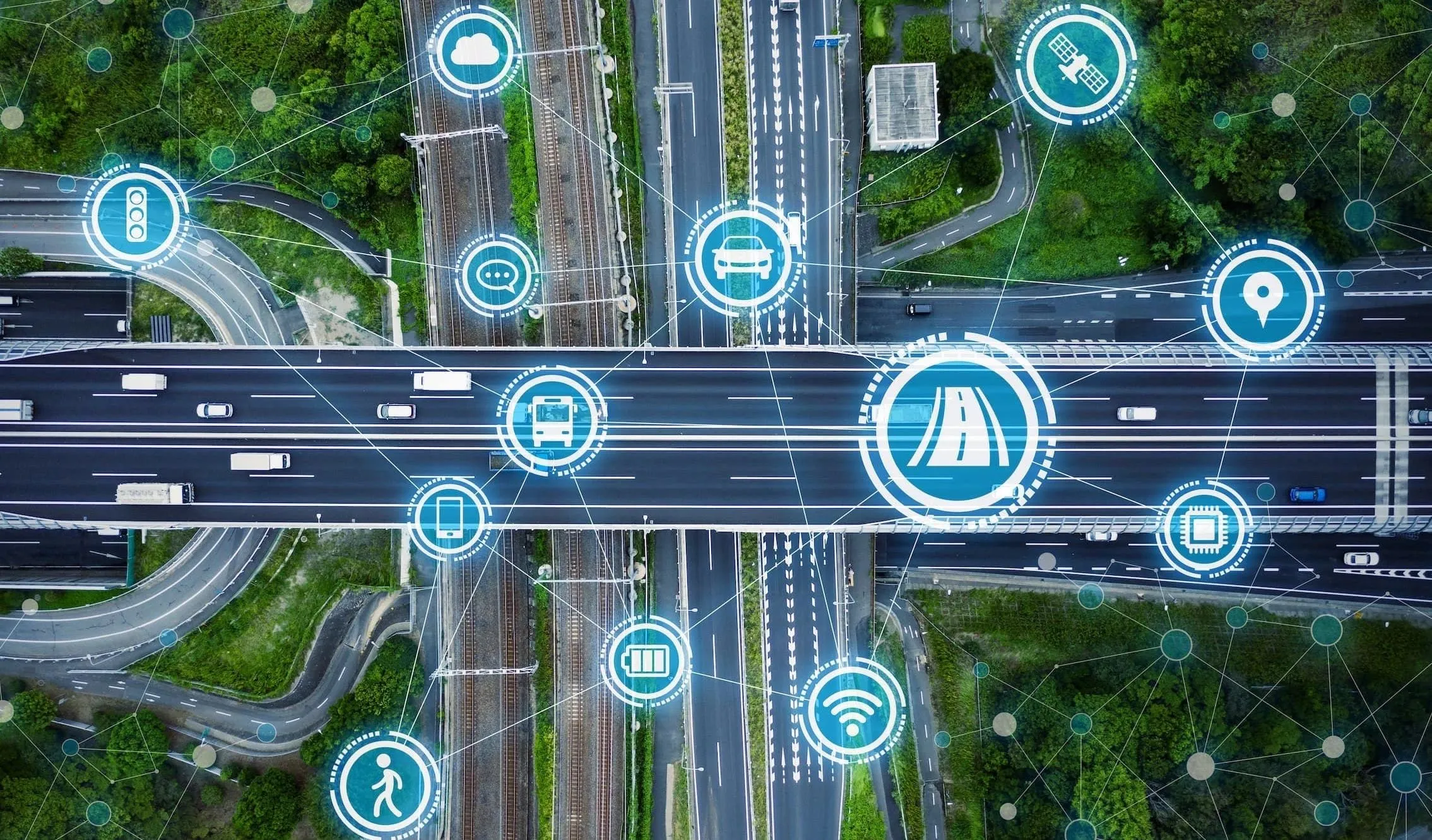
Connected infrastructure, also known as smart infrastructure or intelligent infrastructure, is a network of interconnected devices and systems that enable real-time communication and data sharing between physical assets such as roads, bridges, buildings, and other structures. These systems use sensors, software, and communication technologies to collect and analyze data in real-time, enabling better decision making and more efficient operation of the infrastructure.
Connected infrastructure can encompass a wide range of systems and applications, including transportation systems, energy systems, water and wastewater systems, and smart buildings. In each of these areas, connected infrastructure has the potential to improve efficiency, reduce costs, and increase safety.
One of the primary benefits of connected infrastructure is improved safety. For example, in the transportation sector, connected infrastructure can help to reduce accidents and fatalities on the road. By using sensors and communication technologies, connected vehicles can communicate with each other and with the infrastructure around them, enabling real-time data sharing and more accurate decision making. This can help to prevent accidents by alerting drivers to potential hazards and providing them with real-time information about road conditions.
Connected infrastructure can also help to improve efficiency in a number of areas. For example, in the energy sector, connected infrastructure can help to optimize the use of resources and reduce waste. By using sensors to monitor energy use and track energy flows, connected infrastructure can help to identify areas of inefficiency and provide recommendations for improvements.
Another area where connected infrastructure can help to improve efficiency is in the management of water and wastewater systems. By using sensors to monitor water quality and usage, connected infrastructure can help to identify leaks, prevent overflows, and ensure that water is being used in the most efficient way possible.
In the building sector, connected infrastructure can help to improve the operation and management of buildings. By using sensors to monitor temperature, humidity, and other factors, connected infrastructure can help to optimize building systems and reduce energy costs. It can also help to improve safety by detecting potential hazards such as gas leaks or fires.
Despite the many benefits of connected infrastructure, there are also some challenges to its implementation. One of the biggest challenges is the need for a significant investment in infrastructure and technology. In order to create a connected infrastructure, it is necessary to install a large number of sensors and communication devices, as well as develop the software and analytics tools necessary to analyze the data.
Another challenge is the need to ensure the security and privacy of the data being collected and shared. As more and more devices are connected to the internet, the potential for cyber attacks and data breaches increases. Ensuring the security and privacy of connected infrastructure will be critical to its success.
In order to overcome these challenges, it will be necessary for governments, businesses, and other stakeholders to work together to develop and implement connected infrastructure solutions. This will require collaboration and investment from a range of different sectors, including technology companies, infrastructure providers, and government agencies.
Overall, connected infrastructure has the potential to revolutionize the way we manage and operate physical assets such as buildings, roads, and energy systems. By enabling real-time data sharing and analysis, connected infrastructure can help to improve efficiency, reduce costs, and increase safety. While there are certainly challenges to its implementation, the benefits of connected infrastructure are significant, and it is likely that we will see increasing adoption of this technology in the years to come.