
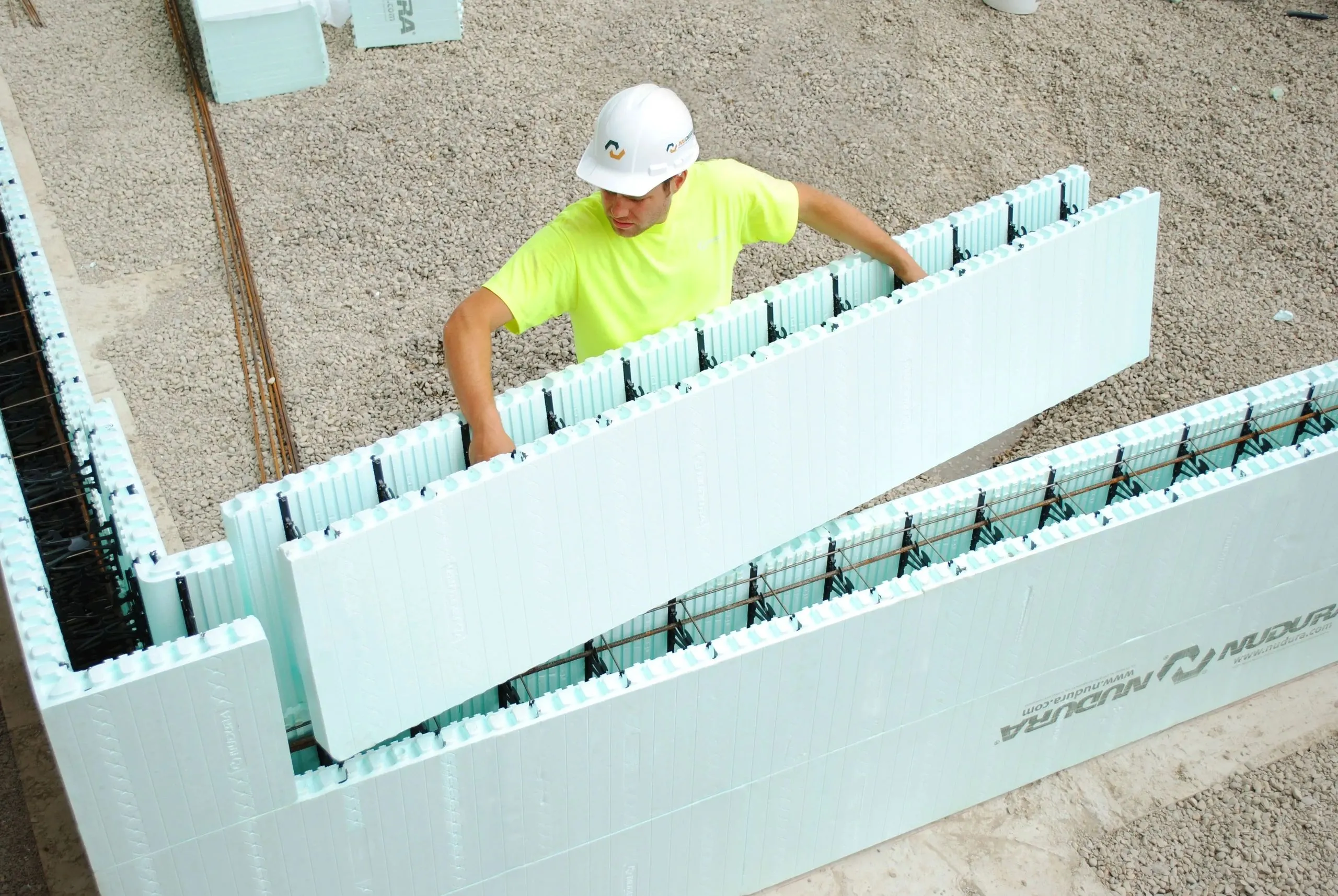
Insulated Concrete Forms (ICFs) have been gaining popularity in the construction industry in recent years. ICF construction is a sustainable, energy-efficient and durable method of construction that is becoming a preferred choice for builders and homeowners alike.
ICFs are made of expanded polystyrene (EPS) or extruded polystyrene (XPS) foam, which is sandwiched between two layers of concrete. The result is a highly insulated and durable wall system that is resistant to fire, wind, and water damage.
One of the primary benefits of ICF construction is its energy efficiency. The high level of insulation provided by the foam layer in the walls of an ICF home can reduce energy bills by up to 50% compared to traditional stick-built homes. This is due to the fact that ICF walls are highly resistant to air infiltration, which means that they retain heat more effectively.
ICF construction is also highly durable. The reinforced concrete walls of an ICF home are resistant to wind damage, water damage, and fire. ICF homes have been known to withstand extreme weather conditions such as hurricanes and earthquakes.
ICF construction is also environmentally friendly. The insulation layer in ICF walls is made of foam, which is a recyclable material. Additionally, the concrete used in ICF construction can be made from sustainable materials like fly ash and slag.
Overall, ICF construction is a sustainable, energy-efficient, and durable method of construction that is gaining popularity in the industry. Its benefits include high energy efficiency, durability, and environmental sustainability. As the demand for sustainable construction methods continues to grow, ICF construction is likely to become an even more popular choice for builders and homeowners.