
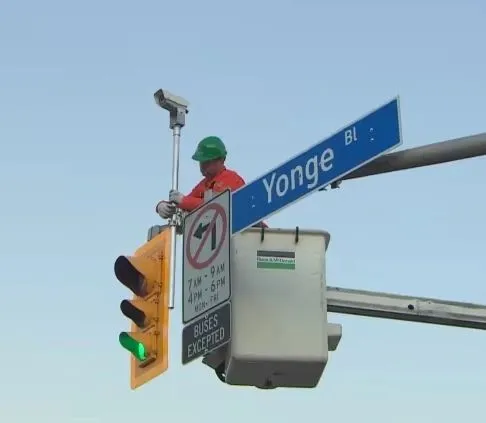
In the bustling symphony of urban life, few elements are as omnipresent and consequential as traffic signals. These colourful sentinels, perched on street corners, orchestrate the ebb and flow of vehicular movement, ensuring order and safety on our roads. However, in the face of ever-expanding urban landscapes and burgeoning populations, the optimization of traffic signals emerges as a critical endeavor. Harnessing the amalgamation of data, technology, and urban planning, traffic signal optimization seeks to enhance efficiency, reduce congestion, and mitigate environmental impacts. In this article, we delve into the art and science behind the optimization of traffic signals.
Understanding Traffic Signal Optimization:
At its core, traffic signal optimization revolves around fine-tuning the timing and coordination of signals to facilitate the smooth movement of vehicles through intersections and along road networks. Traditionally, traffic signals operated on fixed timing schedules, often leading to inefficiencies during peak and off-peak hours. However, with advancements in technology and the advent of smart infrastructure, traffic signal optimization has evolved into a dynamic and data-driven discipline.
Data as the Bedrock:
A cornerstone of modern traffic signal optimization is the utilization of data analytics. Traffic engineers harness a myriad of data sources, including traffic flow patterns, vehicle counts, historical data, and even real-time information from sensors and cameras embedded in the infrastructure. Through sophisticated algorithms and machine learning techniques, this data is processed to derive actionable insights, enabling authorities to adapt signal timings in response to changing traffic conditions.
Dynamic Adaptation:
One of the key advancements in traffic signal optimization is the transition from static to adaptive signal control systems. Adaptive systems employ sensors and algorithms to continuously monitor traffic flow and adjust signal timings in real-time. By dynamically allocating green time to the most congested approaches, adaptive systems maximize throughput and minimize delays, offering a more responsive and efficient traffic management solution.
Coordinated Networks:
In addition to optimizing individual intersections, traffic signal coordination across a network of intersections holds immense significance. Synchronized signal timings along arterial routes facilitate the creation of green waves, where consecutive signals turn green in succession, enabling vehicles to traverse multiple intersections without encountering red lights, sometimes referred to by Traffic Engineers as the “Green Wave”. This synchronized movement reduces stops and delays, improving overall traffic flow and travel times.
Multi-Modal Considerations:
Effective traffic signal optimization transcends the realm of automobiles, encompassing the needs of pedestrians, cyclists, and public transportation systems. Pedestrian crossing times, dedicated bike lanes, and transit priority signals are integral components of a comprehensive optimization strategy aimed at fostering a safe and inclusive urban environment.
Environmental Impacts:
Beyond its implications for vehicular efficiency, traffic signal optimization plays a pivotal role in mitigating environmental impacts. By reducing congestion and idling times, optimized signal timings contribute to lower fuel consumption, emissions, and noise pollution. Moreover, by promoting alternative modes of transportation and facilitating smoother traffic flow, optimization initiatives align with broader sustainability objectives.
Challenges and Future Directions:
Despite its myriad benefits, traffic signal optimization is not without its challenges. Implementation costs, technological dependencies, and stakeholder coordination present formidable hurdles. Moreover, as cities grapple with evolving mobility trends such as autonomous vehicles and micro mobility, the optimization paradigm must continually adapt to accommodate these shifts.
Looking ahead, the future of traffic signal optimization holds promise and innovation. Emerging technologies, including connected and autonomous vehicles, present opportunities for enhanced communication between vehicles and infrastructure, ushering in an era of even more intelligent and adaptive traffic management systems.
See also: “Connected Infrastructure”